LaunchWatch · Launch strategy
If you build software and sell it monthly on social media, a WarriorPlus or JVZoo launch can look like a strange thing to do. A one-time price, a crowd of affiliates and a launch week that is over in days. I do both, and I teach both, because they do different jobs. The launch builds a buyers list that pays you every week. The monthly product grows slowly on a different audience. One funds the other.
Find this useful? Add us as a preferred source on Google and more of what we publish will show up in your results.
It is not one or the other
There is a split in how people build and sell software right now. On one side are the people who launch on WarriorPlus and JVZoo at a one-time price, with affiliates sending traffic for a week. On the other are the people who build in public on X and LinkedIn, launch on Product Hunt and charge every month.
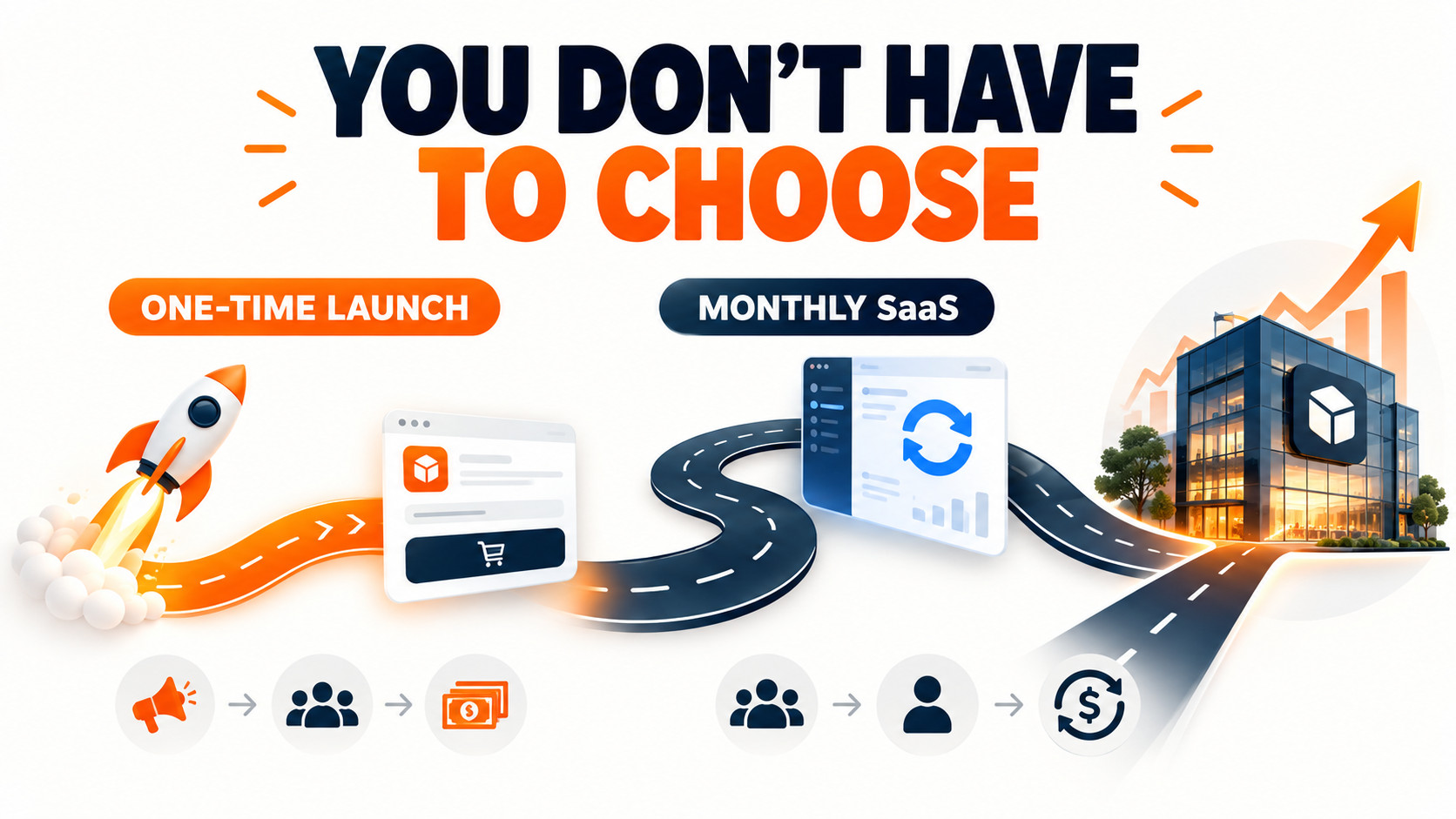
Each side tends to look at the other as the wrong way to do it. I don’t think you have to choose. I said this in the second session of my Evergreen workshop, and it is the reason the whole workshop is built the way it is:
“The one-time cost stuff on WarriorPlus, still do it. That gives us money we can use for ads. That gives us money that can pay for an assistant. That audience is already there. We know we can tap into it. Take it, make a profit, put it into this, where we can get into monthly recurring revenue.”
In the same session I explained the order I use. Build the tool, release it on WarriorPlus, and watch which ones sell, which are popular and which convert best. The ones that earn it get turned into a web app with proper user accounts that you can charge for monthly. Then you take that version to an audience that already pays monthly.
What a launch really gives you: a list of buyers
Most people judge a WarriorPlus or JVZoo launch by the sales in launch week. That is the smaller prize. The bigger one is the buyers list you walk away with.
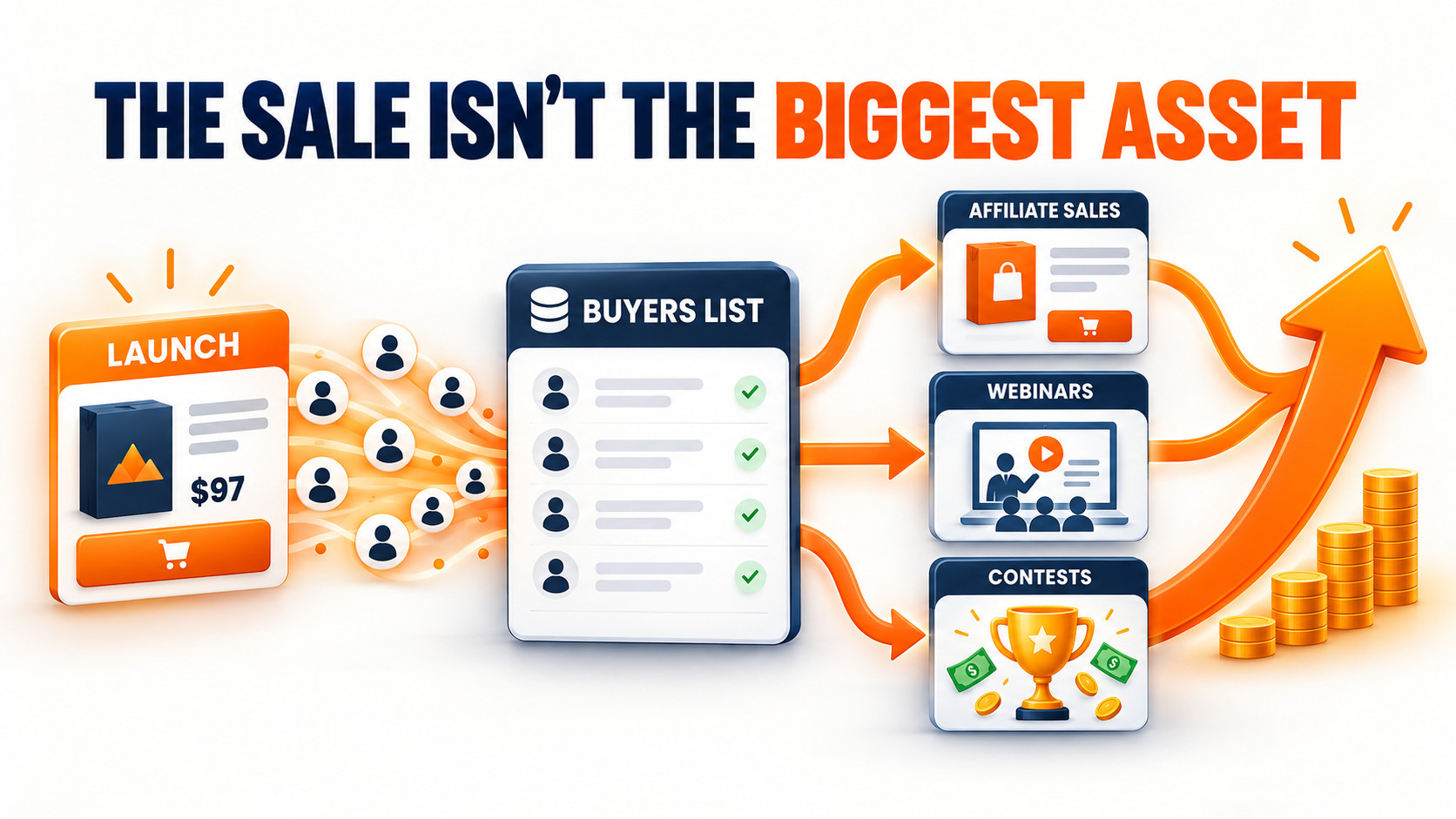
The people who buy on these two platforms are serial buyers. They buy product after product in the internet marketing niche, every week. Once they are on your list, you can send them other people’s launches as an affiliate. Some people do that weekly, some daily. In my experience even a small list of these buyers can bring in four figures a month on affiliate promotions alone, and sometimes five.
Then there are webinars. When you host a creator on a private webinar for your list, and they pitch their mid or high-ticket product, one four-day promotion can bring in four figures and sometimes five.
On top of that are affiliate contests. Most launches pay prize money to the top affiliates, and there are a few basic rules that make winning them surprisingly easy with this kind of audience. I will cover those rules in a later post. Following them adds anything from a few hundred to a few thousand dollars to a promotion, and I have the receipts.
It works for someone starting from zero
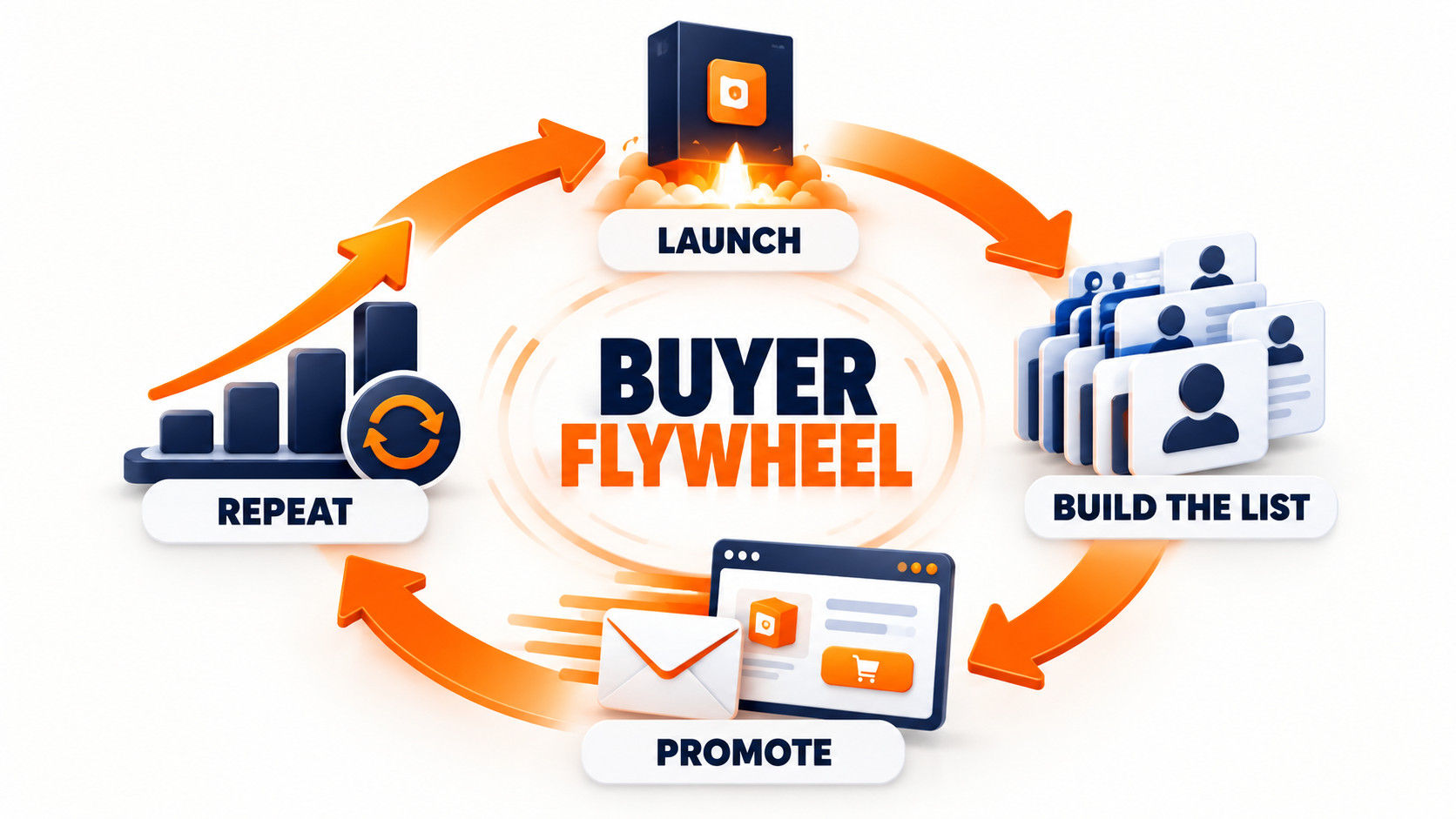
I taught my daughter, Stephanie, how to create products and launch them on WarriorPlus. She grew her buyers list quickly, and within a few months she was regularly driving 100 or more affiliate sales for each promotion she ran, and winning a lot of contests.
She put the work in and followed what I taught her. There is no shortcut in that sentence, but there is no secret either. Launch, build the list, promote to it well, repeat.
The part that has changed: affiliates don’t reciprocate
The model still works. The scene around it has changed, and some of that change is self-inflicted.
The deal used to be simple. If I promoted your launch and it fitted my list, you promoted mine when it fitted yours. I regularly drove 300 or more sales on my own for one product creator, Abbas Ravji, every time he launched, and I quickly became his biggest affiliate on those launches. We treated each other with respect, and it worked for both of us.
Today I have watched, sometimes in disbelief, as people Stephanie had driven 100 or more sales for launched their next product and did not promote hers. Some did not even reply when she reached out about her launch. Between us, Stephanie and I can drive a few hundred sales on a launch that fits our lists. Those people lost both of us as affiliates. Ignorance, arrogance or a lack of planning, probably some of each. Whatever it was, it was not a good business decision.
The WarriorPlus and JVZoo launch scene already feels less busy than it used to. When affiliates stop reciprocating, the smaller number of sales that happen now gets smaller again.
Where did the sales go?
A few years ago it was not unusual to see a launch pass 2,000 sales on JVZoo or WarriorPlus. Today it feels like a named product creator is doing well at around 250. That is my own observation, not a statistic, but the numbers we measured back it up: of the 317 launches on WarriorPlus in September, 19 passed 250 sales and one passed 1,000. The full breakdown is in LaunchWatch for September.
I have done the bigger numbers myself. Two launches on JVZoo within two weeks of each other, each with one week of launch, did 4,000 and then 7,000 funnel sales. The second was IFTTT Backlink Commando. I don’t think that can be done today, and I am not sure those days are coming back.
It is not a shortage of launches. The Warrior Forum used to be the biggest place to sell products. Then JVZoo came along and took most of the new launches, and by then WarriorPlus, which started out serving Warrior Forum launches, had opened its own marketplace. I don’t think much happens on the Warrior Forum these days. But the launch calendars are fuller than ever. We counted the launches MunchEye listed for the next 30 days in 44 archived copies of its homepage, going back to 2013. In 2013 it was about 65. From 2015 to 2017 it was about 120. On 1 October 2026 it was 179, the most of any copy we checked. The number of different sellers in those 30 days has stayed at roughly 100 to 130 since 2015, so the same pool of sellers is launching more often. Plenty of launches, fewer sales each. That makes the question more puzzling, not less.
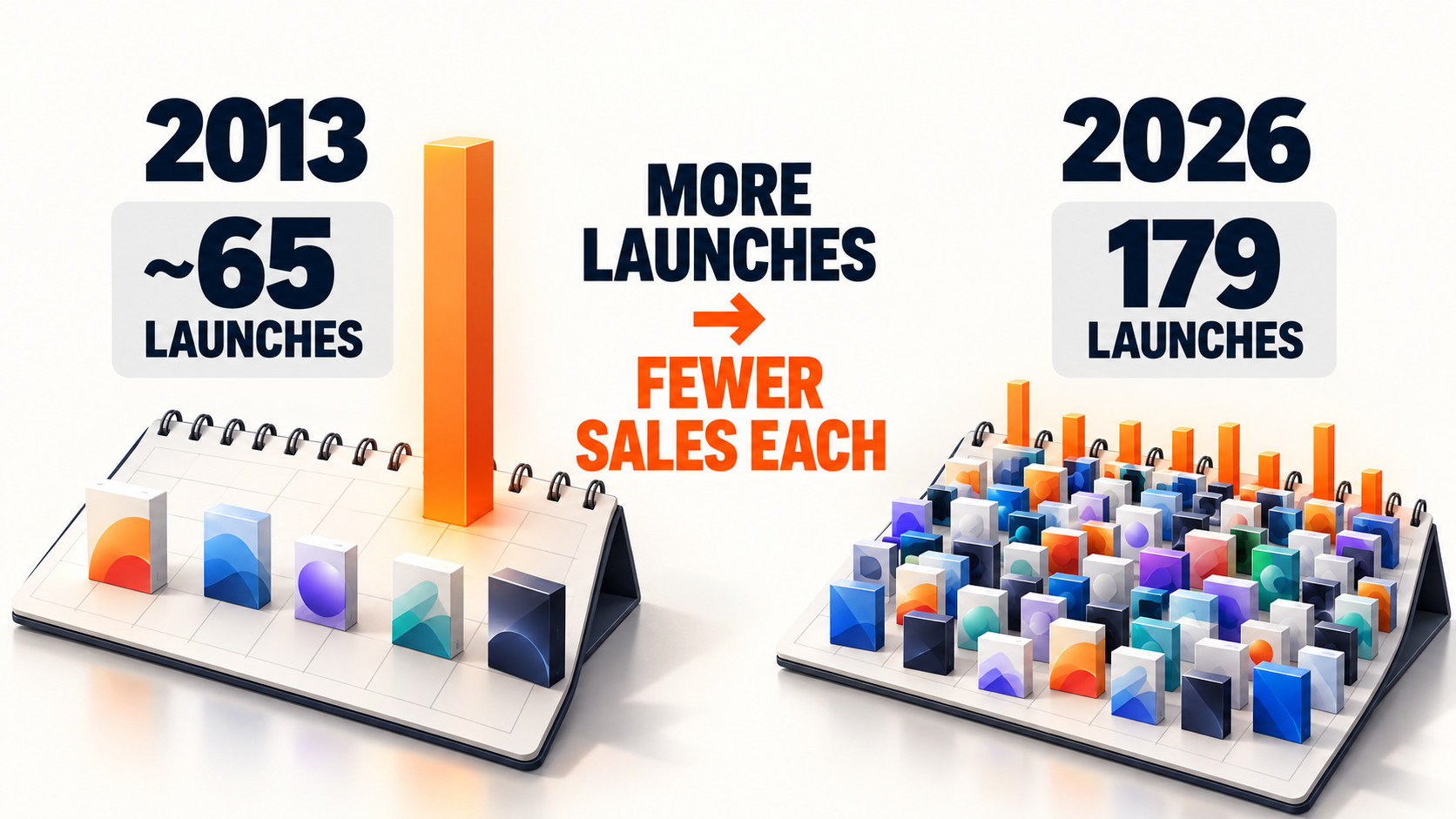
So where did everyone go? I have more questions than answers:
- Are there fewer buyers on the marketplaces?
- Is it the lack of reciprocation?
- Did the big affiliates disappear, and if so, where did they go and what happened?
- Are more creators skipping affiliates and launching with Facebook ads instead? I think that is happening, at least to an extent.
- Is there simply less spare money around than there was back then?
- Where are people learning to make money online now, if it is not internet marketing? No-code building, crypto, starting agencies?
One of the top creators on WarriorPlus told us this week that he has stopped launching and promoting on WarriorPlus to focus on a membership. I am going to ask him to come on a livestream and talk about the launch scene, why he made that call, and what he makes of these observations. I expect him to bring new angles and to agree with a lot of this. It is also a chance for us to do a webinar for each other’s lists.
Internal launches and MRR
More of us are running internal launches now, to our own lists, and I have been doing it more and more for several years. That doesn’t need to be a negative thing. It depends on the price point.
My NicheBlasta launch three years ago started as an internal launch. We added two webinars in the first ten days and it brought in $124,000 in those ten days, and went on to pass $250,000. I would have pushed it harder, but I could not rely on the development side to keep up, so I stopped booking webinars. Before that, the alpha internal launch of Video Synd brought in over $100,000 in a few days, as a rapid launch.
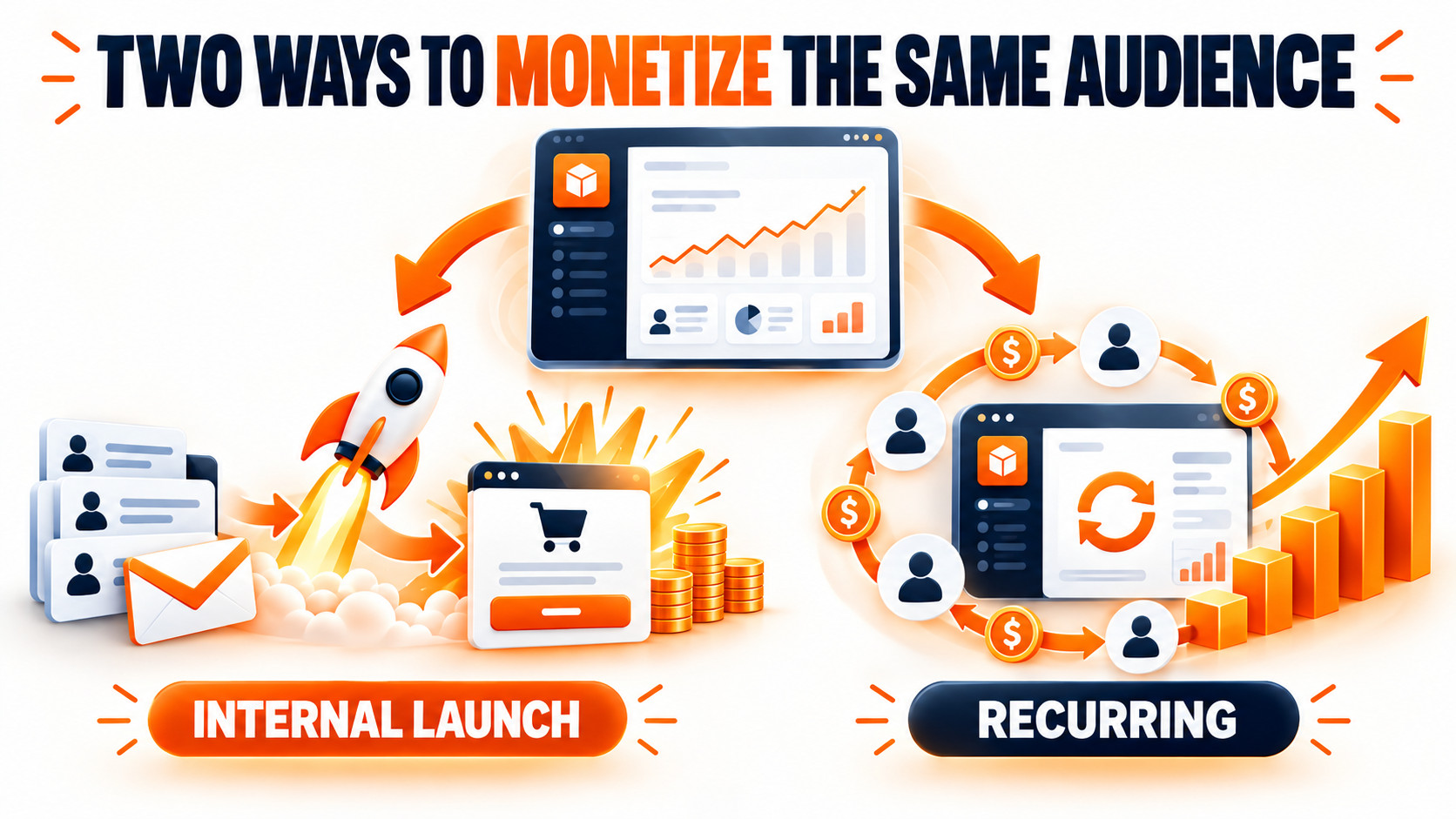
The recurring side is starting to show up on WarriorPlus too. In September, 32 launches were sold as a recurring plan. Together they took 13% of the month’s estimated sales, and the typical one made just over $400, against $173 for the typical launch overall. Both are floor estimates. Recurring still meets resistance on these platforms, but it is not invisible any more.
How to do both
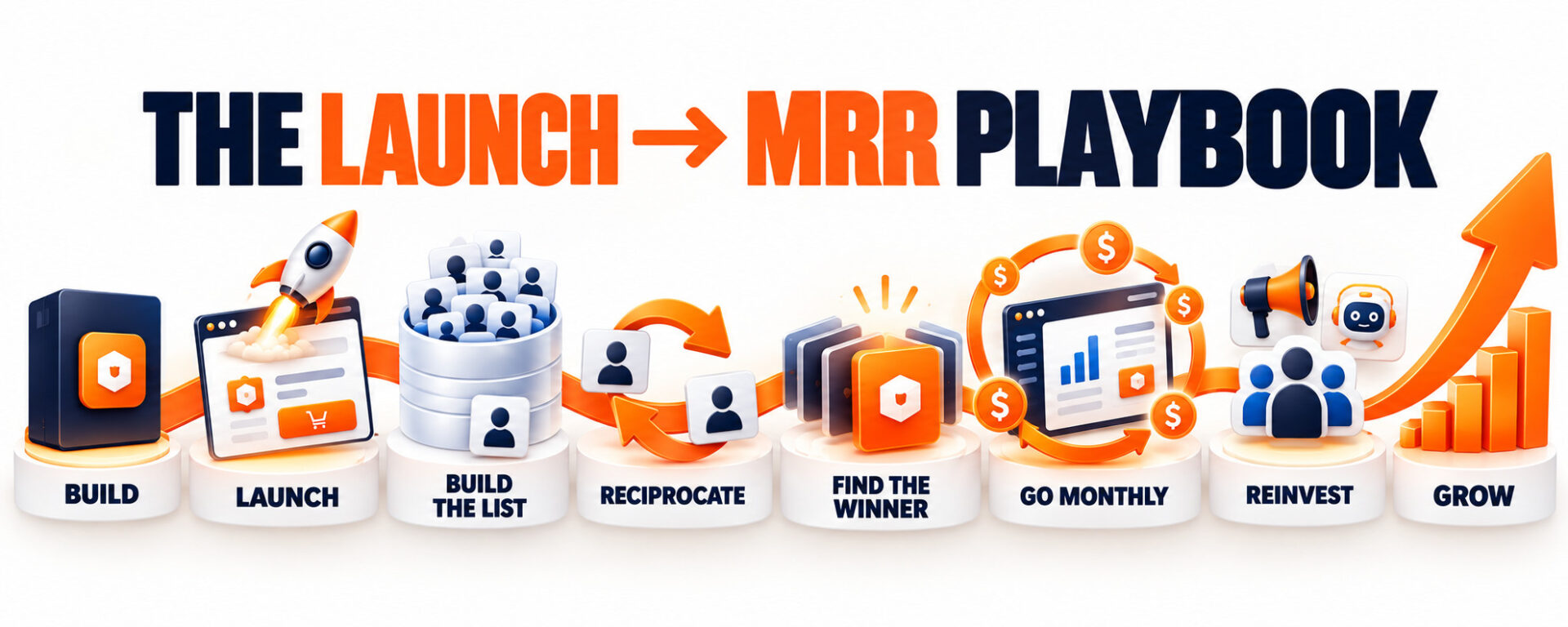
Launching a one-time offer on WarriorPlus or JVZoo should not stop you moving to monthly pricing and pushing on Product Hunt and social media. It is a different approach to a completely different audience, and probably a longer road. What the launch platforms give you while you walk it is stability: quick launches and weekly affiliate income.
- Build a minimum viable product that solves one problem well.
- Launch it on WarriorPlus or JVZoo at a one-time price, and treat the buyers list as the real result.
- Promote to that list every week as an affiliate, with webinars for bigger offers and the contest rules for extra prize money.
- Reciprocate. Promote the launches that fit your list, and ask the same of the people you promoted.
- Watch which tools sell and convert, and turn the best into a web app with user accounts and a monthly plan.
- Take the improved version to social media, build in public on X and LinkedIn, and launch it where monthly buyers already are.
- Put launch and affiliate money into growth: ads, an assistant, and the slow work of building an audience on the new side.
The launch platforms are quieter than they were, but the buyers on them still buy every week. A list of those buyers is still one of the most reliable ways I know to fund the slower build of something you charge for monthly.
Growth Signals
Get the next LaunchWatch first
Each month’s report lands in Growth Signals, the free newsletter, along with the playbooks, case studies and how-tos I find worth stealing.